Introduction
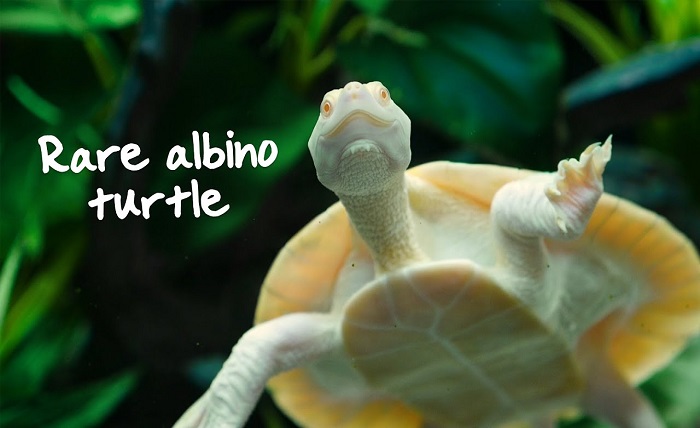
The albino turtle is one of the most fascinating and rare reptiles found in both wild and captive environments. An albino turtle is known for its striking white or pale yellow shell and pinkish eyes caused by a lack of melanin pigment. This condition makes the albino turtle highly sensitive to light and environmental changes, which is why it requires special care. In nature, an albino turtle is extremely rare because its bright coloration makes it more visible to predators. However, in captivity, the albino turtle has become popular among reptile enthusiasts due to its unique appearance and calm personality. Understanding the basics of an albino turtle is essential before considering it as a pet or studying it in detail.
Appearance and unique traits of albino turtle
The albino turtle stands out because of its unusual appearance compared to normal turtles. The most noticeable feature of an albino turtle is its lack of dark pigmentation, resulting in a white, cream, or pale yellow shell. Another key trait of the albino turtle is its pink or red eyes, which occur due to visible blood vessels. This makes the albino turtle more sensitive to bright light and UV exposure. The skin of an albino turtle is also lighter and more delicate than other turtles. Because of these traits, the albino turtle requires careful handling and a controlled environment to avoid stress and health issues.
Habitat of albino turtle
The natural and artificial habitat of an albino turtle plays a major role in its survival and well-being. In the wild, an albino turtle would struggle to survive due to its lack of camouflage, but in captivity, it can thrive with proper conditions. A healthy environment for an albino turtle includes clean water, moderate lighting, and a balanced temperature. Aquatic setups are most common for an albino turtle, especially with basking areas where it can rest safely. Filtration systems are important because the albino turtle is sensitive to water quality. Providing a stress-free habitat helps the albino turtle live a longer and healthier life.
Diet and feeding habits of albino turtle
The diet of an albino turtle is similar to that of other aquatic turtles but requires careful balance. An albino turtle typically eats a mix of insects, worms, leafy vegetables, and commercial turtle pellets. Protein is important for a growing albino turtle, while adults need more plant-based food. Feeding frequency for an albino turtle depends on its age, with younger turtles eating more often than adults. Clean feeding habits are essential because the albino turtle is more prone to digestive issues if overfed or given poor-quality food. A well-balanced diet ensures the albino turtle remains active and healthy.
Behavior and temperament of albino turtle
The albino turtle is generally calm and slow-moving, making it an interesting pet for observation. Unlike aggressive reptiles, an albino turtle prefers solitude and peaceful surroundings. Because of its sensitivity, the albino turtle may become stressed easily if handled too frequently or placed in noisy environments. The behavior of an albino turtle includes basking under light, swimming slowly, and hiding when it feels unsafe. Over time, an albino turtle can recognize feeding routines and may respond to its owner. However, the albino turtle should always be treated gently due to its fragile nature.
Care guide for albino turtle as pet
Taking care of an albino turtle requires commitment and attention to detail. The enclosure of an albino turtle must include UV lighting, clean water, and proper heating. Regular tank cleaning is essential because the albino turtle is highly sensitive to bacteria and poor water conditions. Handling should be minimal to reduce stress in the albino turtle. It is also important to monitor the health of an albino turtle by observing its appetite, movement, and shell condition. A well-maintained environment helps the albino turtle live comfortably and reduces the risk of illness.
Common health issues in albino turtle
The albino turtle is more vulnerable to health problems compared to normal turtles due to its genetic condition. Common issues in an albino turtle include shell infections, eye sensitivity, and vitamin deficiencies. Poor water quality can quickly affect the albino turtle, leading to respiratory infections or skin problems. Lack of proper UV light may also cause shell deformities in the albino turtle. Regular veterinary checkups and proper diet can help prevent many health issues in an albino turtle. Early detection is key to ensuring the long-term survival of the albino turtle.
Conclusion
The albino turtle is a rare and beautiful reptile that requires special care, attention, and understanding. From its unique appearance to its sensitive nature, the albino turtle stands out as one of the most interesting creatures in the reptile world. Proper habitat setup, balanced diet, and careful handling are essential for the well-being of the albino turtle. Whether kept as a pet or studied for interest, the albino turtle offers valuable insight into nature’s genetic variations. With the right care, the albino turtle can live a healthy and peaceful life.
FAQs
1. What is an albino turtle?
An albino turtle is a rare turtle that lacks melanin, giving it a white or pale appearance with pink eyes.
2. Can an albino turtle survive in the wild?
An albino turtle struggles in the wild because its color makes it easy for predators to spot.
3. What does an albino turtle eat?
An albino turtle eats insects, worms, vegetables, and special turtle pellets for a balanced diet.
4. Is an albino turtle a good pet?
An albino turtle can be a good pet if proper care, lighting, and clean habitat are provided.
5. How long does an albino turtle live?
With proper care, an albino turtle can live for many years, similar to other turtle species.